










Data Sovereignty Could Make Companies More Willing to Share Data
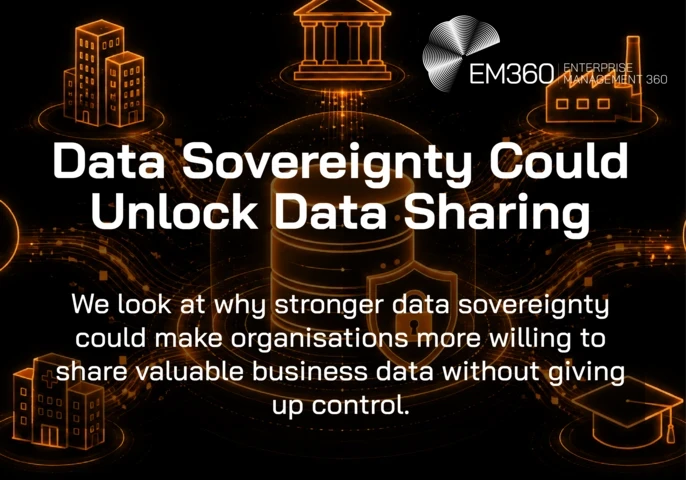
We look at why stronger data sovereignty could make organisations more willing to share valuable business data without giving up control.

In this episode of Don't Panic! It's Just Data, Gina Jenks, AI Knowledge and Analytics Manager at Synthesia, joins Christina Stathopoulos, founder of Dare to Data, to discuss how Synthesia rebuilt its data platform to support self-service analytics and wider AI adoption.


Dr. Joe Perez is a powerhouse in the IT and education worlds, with 40-plus years’ experience and a wealth of credentials to his name. From Business Intelligence Specialist at NC State University to Senior Systems Specialist/Team Leader at the NC Department of Health & Human Services (and Chief Technology Officer at CogniMind), Perez is at the forefront of innovation and process improvement. With more than 22,000 LinkedIn followers and a worldwide reputation as keynote speaker, data management/analytics expert, and prolific, bestselling author, Perez is a highly sought-after resource in his field. He speaks at many conferences each year, reaching audiences in over 20 countries across the globe and has been highly-ranked by prestigious Thought Leader communities. He was recently inducted into both the IIBA Hall of Fame and the United Nations Global Network of Data Officers and Statisticians and was selected to be a Distinguished Fellow in the Public Sector Network's Future Government Institute. When Dr. Joe is not working, he shares his musical talents and gives back to his community through his involvement in his church's Spanish and military ministries.
Discover expert led podcasts, articles, and news from enterprise technology leaders at EM360Tech, your source for B2B tech intelligence
We look at why stronger data sovereignty could make organisations more willing to share valuable business data without giving up control.


The next challenge isn’t simply automating more work—it’s coordinating intelligent systems operating across multiple domains while maintaining operational trust.
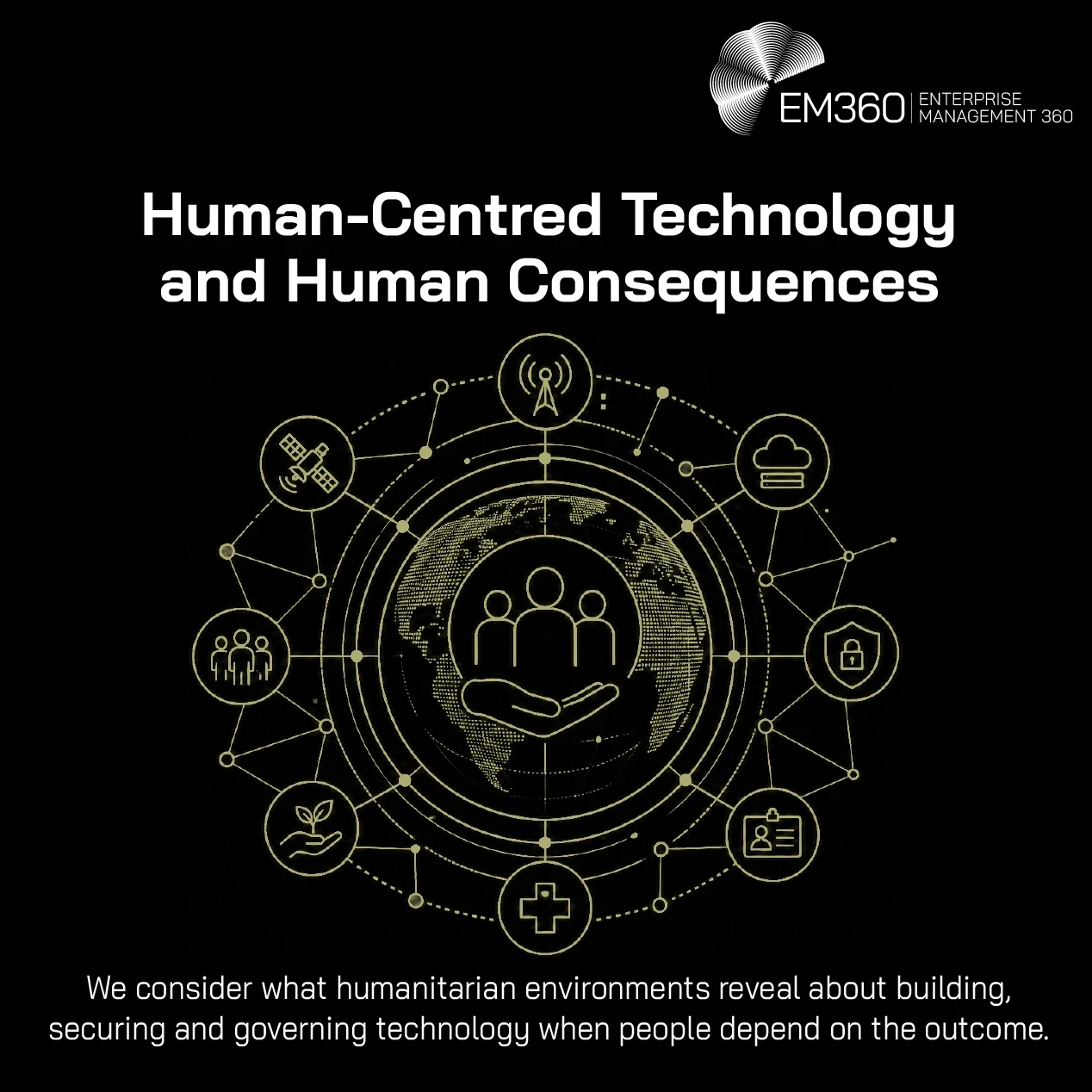
We consider what humanitarian environments reveal about building, securing and governing technology when people depend on the outcome.

China’s move away from Microsoft Windows highlights a wider push for digital sovereignty, domestic technology and reduced reliance on foreign vendors.

DDoS attacks are growing in scale and sophistication. Qrator Labs CTO Andrey Leskin joins Richard Stiennon to explore the evolving threat and how organisations can strengthen their defences.
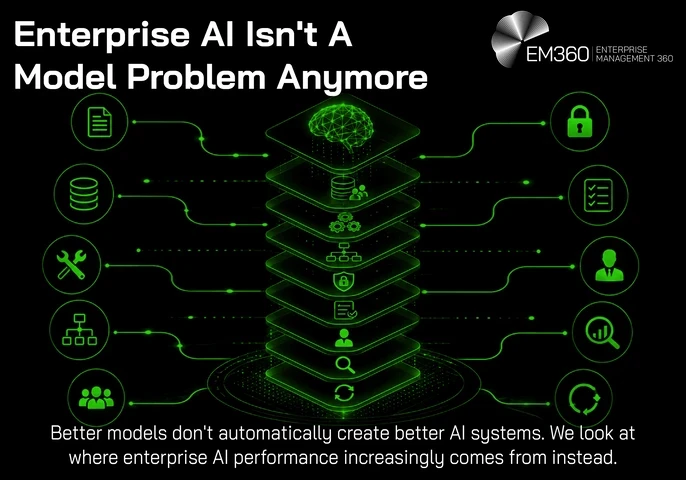
Better models don't automatically create better AI systems. We look at where enterprise AI performance increasingly comes from instead.

“We were always going to be developer-focused and remain open source. All software companies say that they listen to their customers, but it is the open-source businesses that go the furthest in incorporating community conversations into their product development.”

How the security industry spent twenty years paying to keep 87% of its logs unreachable — and what finally changes that.
The global AI race is moving beyond models. We report on how geopolitical competition is starting to reshape the technology enterprises can use.

An Executive Q&A with Barbara Dondiego, CEO of AVOXI


Getting professional results from any repository requires specific workflow habits.

A research report on why mid-market companies get stuck - and a structured blueprint for moving forward.

The large language model is aimed at organisations that are building AI agents capable of planning tasks, using software tools and completing multi-step processes with less human intervention.

Cybersecurity is a data problem that never stands still. The threats are growing in volume and sophistication, the environments analysts must protect aremore complex and distributed than ever, and the cost of missing the right signal continues to rise.
Event Intelligence: The Business Data Hiding in Conferences and Trade Shows

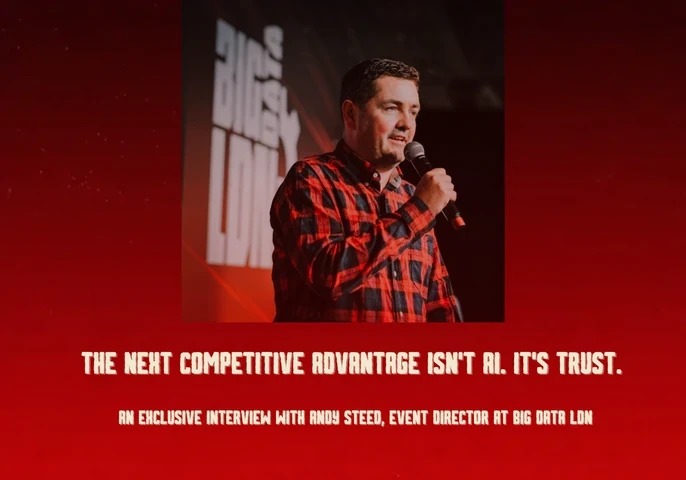
By Andy Steed, Event Director, BIG DATA LDN


“Data loss is preventable. It's not just observable.”

Most teams putting AI agents on their data run into the same problem: context. An agent that doesn't know which table to trust or what each column means returns answers that are confidently wrong by orders of magnitude.
Anthropic is reportedly in talks to acquire Nvidia-backed Decart AI for around $6bn as competition over AI infrastructure ramps up.
We report on new ILO findings showing rising youth unemployment as AI adds pressure to the pathways young workers use to build experience.


BARC research shows that healthcare and life sciences companies, paradoxically, are moving faster with agentic AI because longstanding regulations have forced them to build strong data foundations.

“The attack already happened, the data's already gone, and they don't even know it yet.”
Get the latest insights, analysis and tech news delivered straight to your inbox
Filters