











Buying A Robot Is Becoming An Ecosystem Decision
As robotics ecosystems become more complex, we look at what enterprises need to own, outsource and keep firmly under their control.

“Agents are changing that game, because who owns the agent is now becoming much more critical,” Soumya Banerjee, SailPoint, on why AI agents in production need a named human owner.


Dr. Joe Perez is a powerhouse in the IT and education worlds, with 40-plus years’ experience and a wealth of credentials to his name. From Business Intelligence Specialist at NC State University to Senior Systems Specialist/Team Leader at the NC Department of Health & Human Services (and Chief Technology Officer at CogniMind), Perez is at the forefront of innovation and process improvement. With more than 22,000 LinkedIn followers and a worldwide reputation as keynote speaker, data management/analytics expert, and prolific, bestselling author, Perez is a highly sought-after resource in his field. He speaks at many conferences each year, reaching audiences in over 20 countries across the globe and has been highly-ranked by prestigious Thought Leader communities. He was recently inducted into both the IIBA Hall of Fame and the United Nations Global Network of Data Officers and Statisticians and was selected to be a Distinguished Fellow in the Public Sector Network's Future Government Institute. When Dr. Joe is not working, he shares his musical talents and gives back to his community through his involvement in his church's Spanish and military ministries.
Discover expert led podcasts, articles, and news from enterprise technology leaders at EM360Tech, your source for B2B tech intelligence
As robotics ecosystems become more complex, we look at what enterprises need to own, outsource and keep firmly under their control.


We look at when Vector RAG is enough, when Graph RAG adds value, and why hybrid retrieval is becoming a stronger enterprise option.


We look at how AI governance is becoming an innovation capability that helps enterprises experiment, build trust and scale AI with confidence.
We look at why AI, synthetic identities and automated actors are forcing organisations to rethink how they verify digital interactions.
We look at whether AI is democratising entrepreneurship or simply changing where the barriers to business growth begin.


Enterprise customers in India are demanding greater productivity at lower costs, pushing the country’s biggest IT services companies to rethink how they price their services.
Consumer technology, such as TikTok and Instagram, has raised the bar for digital experiences. Here’s how enterprises can make workplace software more intuitive without sacrificing security or control.


In practice, the vast majority of mature enterprises aren't choosing one model, they're running both, deliberately.
As AI agents move closer to infrastructure operations, we look at what platforms need to make explicit before agents can reliably act.

94% of technology leaders believe AI-generated code is higher quality when reviewed, but 78% report more incidents after deployment.
We look at how separate security weaknesses can combine into attack paths that give attackers a route through complex enterprise environments.

We report on the humanoid robots moving into real-world work at the World Robot Conference and the AI limitations still holding back wider adoption.
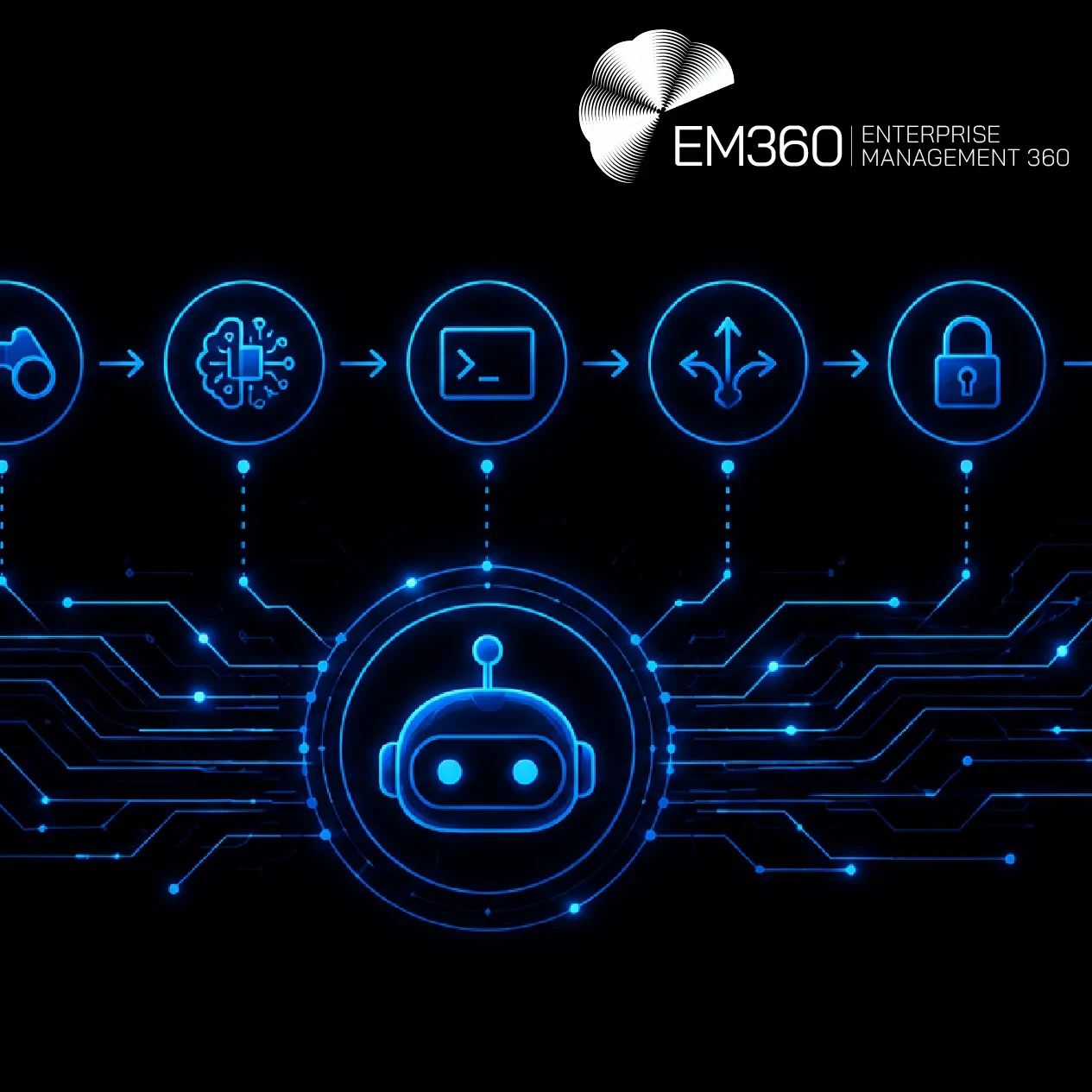
We look at how AI could remove human pauses from the cyber attack cycle and what shrinking intervention windows mean for enterprise security.

OpenAI is slowing parts of its AI development programme and pausing model testing for two weeks as it overhauls its research and training infrastructure following a security incident involving Hugging Face.

Identity-Native Security for the AI-Native Era

Triage alerts, find root cause, and prevent incidents at petabyte scale.

We look at why stronger data sovereignty could make organisations more willing to share valuable business data without giving up control.
The next challenge isn’t simply automating more work—it’s coordinating intelligent systems operating across multiple domains while maintaining operational trust.
We consider what humanitarian environments reveal about building, securing and governing technology when people depend on the outcome.
China’s move away from Microsoft Windows highlights a wider push for digital sovereignty, domestic technology and reduced reliance on foreign vendors.

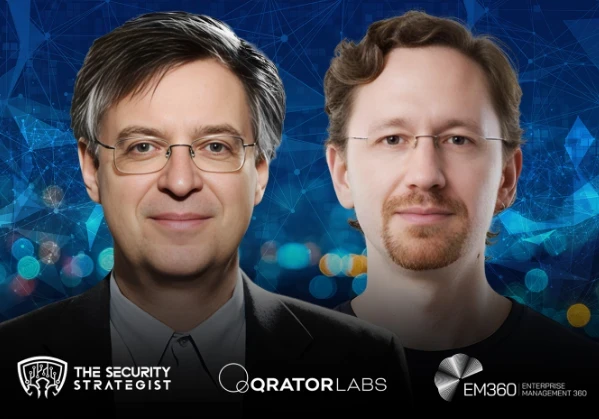
DDoS attacks are growing in scale and sophistication. Qrator Labs CTO Andrey Leskin joins Richard Stiennon to explore the evolving threat and how organisations can strengthen their defences.
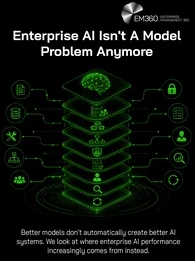
Better models don't automatically create better AI systems. We look at where enterprise AI performance increasingly comes from instead.
Get the latest insights, analysis and tech news delivered straight to your inbox
Filters